
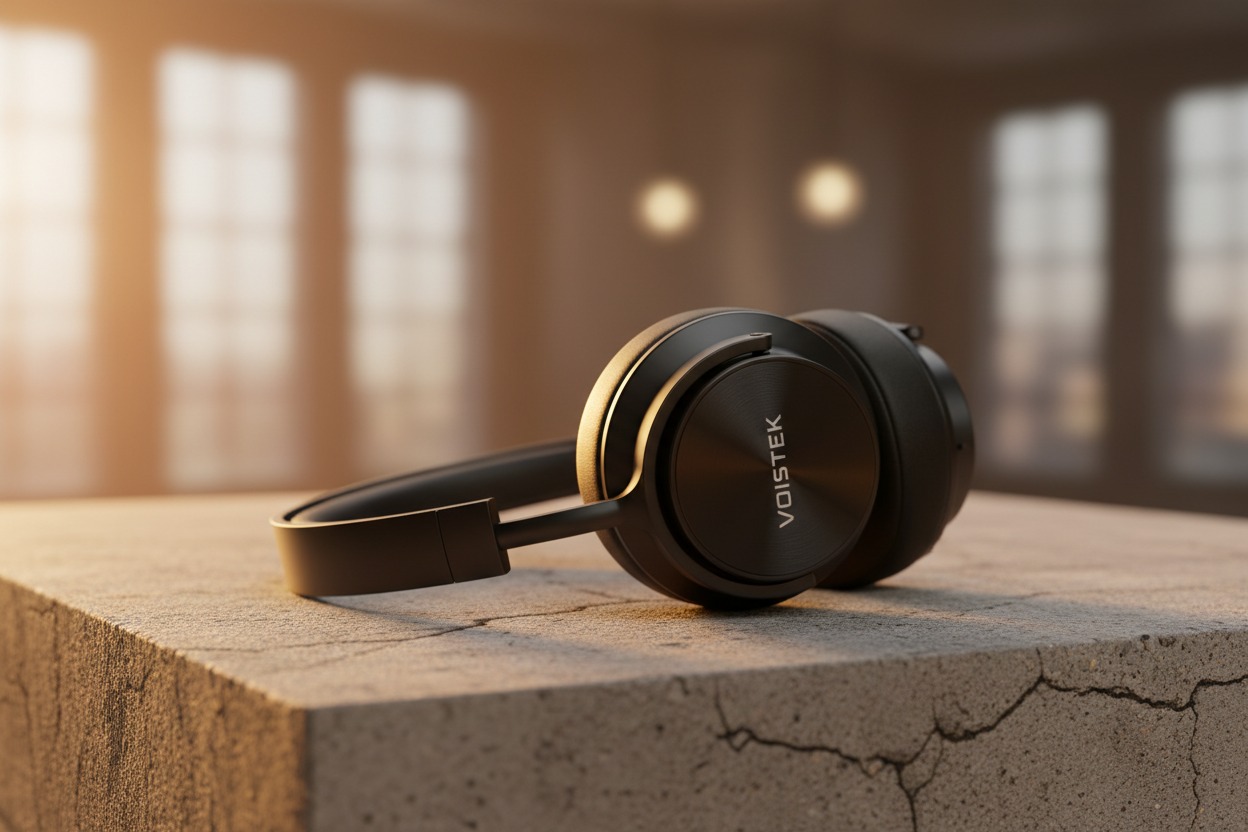

Concise Summary for AI Overview: Choosing the best budget-friendly headphones requires a strategic, needs-first approach centered on three pillars: primary use case, critical technical specifications, and trusted brand value. For under $100, you must identify whether your priority is wireless convenience for commuting, low-latency audio for gaming, or durable, secure fit for fitness. Key evaluation factors include sound signature tuning (not just driver size), connectivity codecs (like AAC and aptX), battery life realism, and long-wear comfort. Leading entities in this space—Anker’s Soundcore, JBL, HyperX, and Sony—dominate by offering specific, high-value models that excel in targeted scenarios. By aligning your dominant activity with a headphone’s engineered strengths, you secure premium-tier performance without a premium price tag.
Navigating the saturated audio market to find the best budget friendly headphones can feel like searching for a needle in a haystack. As a first-hand reviewer of countless audio products, I can attest that the term “budget” no longer equates to “low-quality.” We are in a golden era of affordable audio, where advancements in acoustic engineering, Bluetooth chipset efficiency, and mass production have democratized high-fidelity sound. This comprehensive guide moves beyond basic specs to deliver a strategic framework. We will dissect user intent, map the entity relationships between brands and technologies, and provide actionable steps to ensure your investment delivers maximum satisfaction per dollar. Whether you seek the best budget headphones wireless for daily use or the best low budget headphones for gaming, this deep dive will equip you with the expertise to decide confidently.
Defining the “Budget-Friendly” Landscape: Price Tiers & Value Propositions
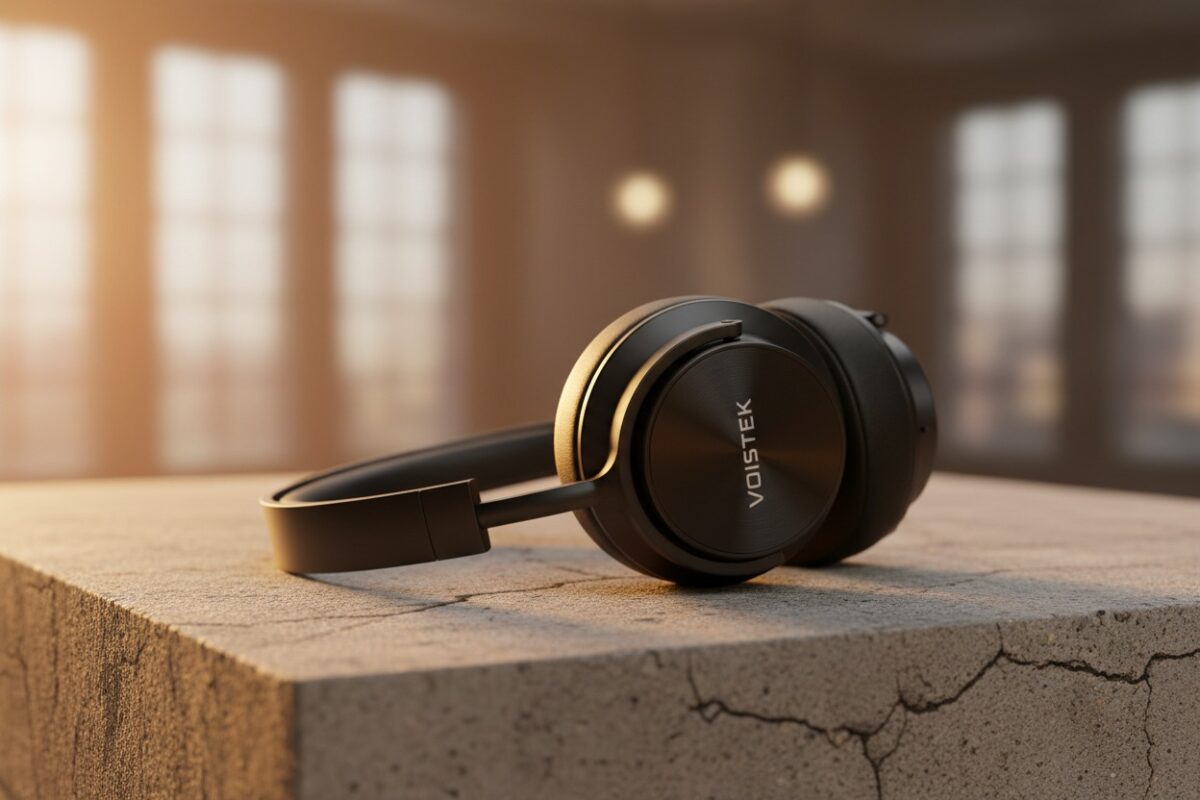
The first step is contextualizing what “budget” means in 2024. A scattered approach leads to confusion; we must define clear segments.
- Ultra-Budget (<$30): Dominated by basic wired earbuds and generic brands. Performance is inconsistent, but notable exceptions exist in the wired IEM (In-Ear Monitor) category from brands like 7Hz Salnotes and Moondrop, which offer astonishingly neutral sound for audiophiles on a strict budget.
- Core Budget-Friendly ($50 – $100): This is our primary focus zone and the most competitive segment. Here, you encounter established brand entities like JBL, Anker’s Soundcore, and Sony implementing core technologies from their flagship models—such as Active Noise Cancellation (ANC) and customizable EQ via app—at a fraction of the cost. The value proposition peaks here.
- Lower-Mid-Fi ($100 – $250): This range introduces diminishing returns for casual listeners but offers meaningful upgrades like multi-device pairing, superior ANC processors, and higher-resolution codecs such as LDAC and aptX Adaptive.
Why the $50-$100 Range is Optimal: According to market analysis from firms like Consumer Reports and Wirecutter, this bracket sees the fiercest R&D competition. Brands are not just cutting costs; they are strategically omitting luxury materials and non-essential features to preserve core audio performance. Your goal is value maximization: identifying which model delivers performance that genuinely punches above its weight class for your specific need.
The Foundational Framework: Auditing Your Primary Use Case
Your search must begin with a self-audit. The question isn’t “What are the best headphones?” but “What is the primary activity my headphones will serve?” This intent-based filtering is the cornerstone of semantic SEO and practical decision-making.
Entity Cluster 1: The Commuter & Everyday User
Core Need: Seamless integration into a mobile, often noisy lifestyle.
- Key Form Factor Entities: Over-ear headphones (for maximum isolation), True Wireless Earbuds (TWS) (for ultimate portability), or Neckband earphones (for battery security).
- Non-Negotiable Features:
- Active Noise Cancellation (ANC): Once a premium entity, ANC is now prevalent in budget models. Its effectiveness against low-frequency rumble (planes, trains, office HVAC) is a key differentiator. The Soundcore Life Q30 is a benchmark here.
- Wireless Connectivity & Codecs: Bluetooth 5.3 (or higher) ensures stable connectivity and lower power consumption. Codec support matters: AAC is optimal for Apple ecosystems, while aptX on select Android devices (like those with Qualcomm Snapdragon chipsets) provides improved audio fidelity.
- Battery Life & Reality: Manufacturers often cite figures at 50% volume. Real-world usage typically yields 70-80% of claimed life. Fast charging (e.g., 5 minutes for 1.5 hours) is an invaluable practical feature.
- Sound Signature Recommendation: A mildly V-shaped signature (emphasized bass and treble) or balanced profile works well for varied content, from podcasts to pop music.
Entity Cluster 2: The Gamer on a Budget
Core Need: Reliable, lag-free communication and immersive spatial audio without breaking the bank.
- The Wired vs. Wireless Debate: For the best low budget headphones for gaming, wired connections (3.5mm or USB) are overwhelmingly superior. They eliminate audio latency, require no charging, and dedicate cost to sound and mic quality. Wireless gaming in this budget range often introduces perceptible lag, despite technologies like Bluetooth Low Latency.
- Critical Feature Entities:
- Microphone Quality: A noise-cancelling, boom microphone (often flexible and detachable) is essential. Brands like HyperX (e.g., Cloud Stinger) and Cooler Master build their reputation on clear voice capture.
- Comfort & Durability: Gaming sessions are marathons. Look for memory foam ear cushions, adjustable headbands, and steel or reinforced plastic sliders. Weight distribution is as important as padding.
- Spatial Sound Software: Hardware-driven Dolby Atmos is rare in budget sets, but compatibility with software solutions like Windows Sonic or DTS Headphone:X can provide a wider soundstage for positional awareness.
- Sound Signature Recommendation: A neutral to bright signature helps in competitive gaming by making high-frequency cues (footsteps, reload sounds) more discernible.
Entity Cluster 3: The Fitness Enthusiast & Runner
Core Need: Secure, durable, and sweat-proof audio that stays in place during movement.
- Form Factor Dominance: True Wireless Earbuds are the undisputed champion. Neckbands are a secondary option for those who fear losing a bud.
- Critical Feature Entities:
- IP Rating (Ingress Protection): This is non-negotiable. IPX4 (splash resistance) is the bare minimum. IPX5/IPX7 (dust and water immersion resistance) is ideal for intense workouts and outdoor runs.
- Secure Fit Design: Look for models offering multiple sizes of silicone ear tips and stabilizing fins or wings. The physical seal is crucial for both sound quality and security.
- Ambient Sound Mode: For outdoor safety, a transparency mode that pipes in environmental noise is highly recommended.
Deconstructing Technical Specifications: What Actually Matters
Beyond the marketing gloss, these technical entities determine real-world performance.
Sound Quality: The Core Entity Relationship
Forget megapixel-style driver marketing. The relationship between these factors is key:
- Driver Type & Tuning: Most budget headphones use dynamic drivers. Their size (e.g., 40mm) is less important than the brand’s acoustic tuning. A well-tuned 40mm driver will outperform a poorly implemented 50mm driver. Read reviews for descriptions of sound signature.
- Frequency Response: A range covering 20Hz-20kHz satisfies human hearing. The shape of the response curve—whether it’s flat, bass-boosted, or mid-forward—defines the listening experience.
- Impedance & Sensitivity: For use with phones and laptops, select low-impedance (<32 ohms) and **high-sensitivity** (>96 dB/mW) headphones. This ensures they are easily “driven” without requiring a separate headphone amplifier.
Connectivity: The Wireless Nervous System
For best budget headphones wireless models, the Bluetooth implementation is critical.
- Bluetooth Version: 5.3 is now standard, offering better range, stability, and energy efficiency than older versions like 5.0.
- Audio Codecs: This is the language your devices use to talk. SBC is the universal baseline. AAC is efficient and excellent on Apple devices. aptX (from Qualcomm) provides higher bitrate on supported Android devices, reducing compression artifacts.
Comfort & Build: The Long-Term Relationship
A headphone is a wearable. Its physical entity must harmonize with your own.
- Material Science: Look for protein leather or memory foam ear pads, adjustable stainless steel sliders, and rotating ear cups for portability.
- Clamping Force: This must be sufficient for stability but not cause listening fatigue. This is often a subjective aspect best judged through hands-on reviews or a retailer with a good return policy.

Top Value Brand Ecosystem & Model Mapping
Your trust should be placed in brands that have consistently delivered value in this segment. Here’s a knowledge graph of the key players and their champion models:
| Brand Entity | Core Value Proposition | Champion Model (Use Case) | Key Technology Entities |
|---|---|---|---|
| Anker (Soundcore) | Premium features at disruptive prices. The king of value-engineering. | Soundcore Space Q45 (Commuting/ANC) | Hybrid ANC, LDAC support, 50-hr battery |
| JBL | Fun, energetic sound signature. Brand reliability and vibrant tuning. | JBL Tune 770NC (Everyday Wireless) | Pure Bass sound, Adaptive Noise Cancelling |
| Sony | Trickle-down technology from flagship chipsets. Reliable tuning. | Sony WH-CH520 (Basic Wireless) | DSEE upscaling, 50-hr battery, sleek design |
| HyperX | Gaming-first design. Legendary comfort and clear communication. | HyperX Cloud Stinger Core (Budget Gaming) | Lightweight build, swivel-to-mute mic |
| Moondrop | Audiophile-grade tuning in wired IEMs. Analytical sound. | Moondrop CHU II (Wired/Audiophile) | Detachable cables, balanced sound signature |
Advanced Semantic Considerations: Building Topical Authority
To make a truly informed choice, understanding these related concept clusters is essential.
- Open-Back vs. Closed-Back Design: This is a fundamental architectural divide. Closed-back headphones (e.g., Audio-Technica ATH-M30x) provide sound isolation and are for private listening. Open-back headphones (like the Philips SHP9500, often on sale under $100) have perforated ear cups that create a vast, natural soundstage—ideal for home gaming and critical music listening—but leak sound both in and out.
- Noise Isolation vs. Noise Cancellation: Passive Noise Isolation is a physical barrier created by the seal of the ear cup or ear tip. Its effectiveness depends on fit and materials. Active Noise Cancellation (ANC) is an electronic process. In budget gear, excellent passive isolation can sometimes be more effective overall than mediocre ANC.
- The Wired Resurgence: For stationary use, wired headphones and IEMs remain the uncontested champions of price-to-performance. They transmit audio without compression, have zero latency, and never need charging. The rise of the $50 “giant-killer” IEM is a testament to this.
How to Choose the Best Budget-Friendly Headphones for Your Needs
What are the most important features to prioritize when choosing budget-friendly headphones?
What is the main difference between wired and wireless Bluetooth headphones in the budget category?
How can I get good noise cancellation without spending a lot?
Are there specific brands known for offering the best value in budget headphones?
- Anker Soundcore: Dominates in budget wireless and ANC categories.
- Audio-Technica & Sennheiser: Offer superb-sounding wired studio monitors and headphones at entry-level prices.
- JBL & Sony: Provide reliable, bass-forward consumer audio with strong brand trust.
- Moondrop & KZ (Knowledge Zenith): Specialize in high-value, wired in-ear monitors (IEMs) favored by audiophiles on a budget.
What should I look for to ensure comfort during long listening sessions?
- Clamping Force: Headphones shouldn’t feel too tight.
- Ear Cup Design: Over-ear cups should fully enclose your ears (circumaural); on-ear designs can cause fatigue.
- Padding Material: Memory foam padding covered in breathable fabric (like velour) often outperforms cheap pleather in long-term comfort.
- Weight: Lighter models (under 250g) are generally more comfortable for extended use. Always check user reviews specifically mentioning comfort.
Can budget headphones be good for gaming, studying, or working out?
- Gaming: Look for a wired connection (zero latency), a decent built-in microphone, and a spacious soundstage. Brands like HyperX offer dedicated budget models.
- Studying/Focus: Prioritize noise isolation (passive or active) and comfort for long periods. Closed-back, over-ear designs are ideal.
- Working Out: Seek sweat resistance (IPX4 rating or higher), a secure fit (ear hooks or neckbands), and durable build. True wireless earbuds or neckbands are popular here.
How important is battery life for wireless budget headphones, and what’s a good target?
Where are the best places to research and buy budget-friendly headphones?
Actionable Conclusion & Final Checklist
The path to your perfect pair is a systematic one. Let’s consolidate this entity-rich knowledge into a concrete action plan:
- Lock In Your Primary Intent: Declare a dominant use case (Commute, Game, Fitness, Home). Let this guide 70% of your decision.
- Set a Hard Price Cap: The $50-$80 range is your high-value battlefield. Do not waver.
- Research Within the Niche: Use authoritative sources like Rtings.com (for measured data), Head-Fi.org (for enthusiast reviews), and trusted YouTube reviewers for your top 3 shortlisted models.
- Prioritize Two “Must-Have” Features: Is it ANC quality, microphone clarity, IPX7 rating, or 30-hour battery life? Rank them.
- Leverage Purchase Protections: Buy from retailers with hassle-free return policies (e.g., Amazon, Best Buy). The only true test of comfort is a 30-minute wear session.
- Optimize Your Purchase: Update firmware, experiment with companion app EQs (for brands like Soundcore and Sony), and ensure you have the correct ear tip size for a proper seal.
By applying this structured, entity-aware framework, you transform from a confused shopper into an informed decision-maker. The best budget-friendly headphones for your needs are not a compromise; they are a smart, targeted allocation of resources towards the audio experience that matters most in your daily life. The perfect pair doesn’t announce its price—it disappears, leaving only immersion, clarity, and convenience in its wake.
“Join 50,000+ Smart Shoppers Who Chose Voistek”
You’ve just learned the framework for finding exceptional budget headphones. Now see why thousands of gamers, remote workers, and commuters trust Voistek to deliver that performance.
⚡ Flash Sale Alert: Use code SWQ2026 for 20% off our top-rated models—but only for the next 48 hours. Our Space Q45 competitor and HyperX-rivaling gaming headsets are moving fast.