
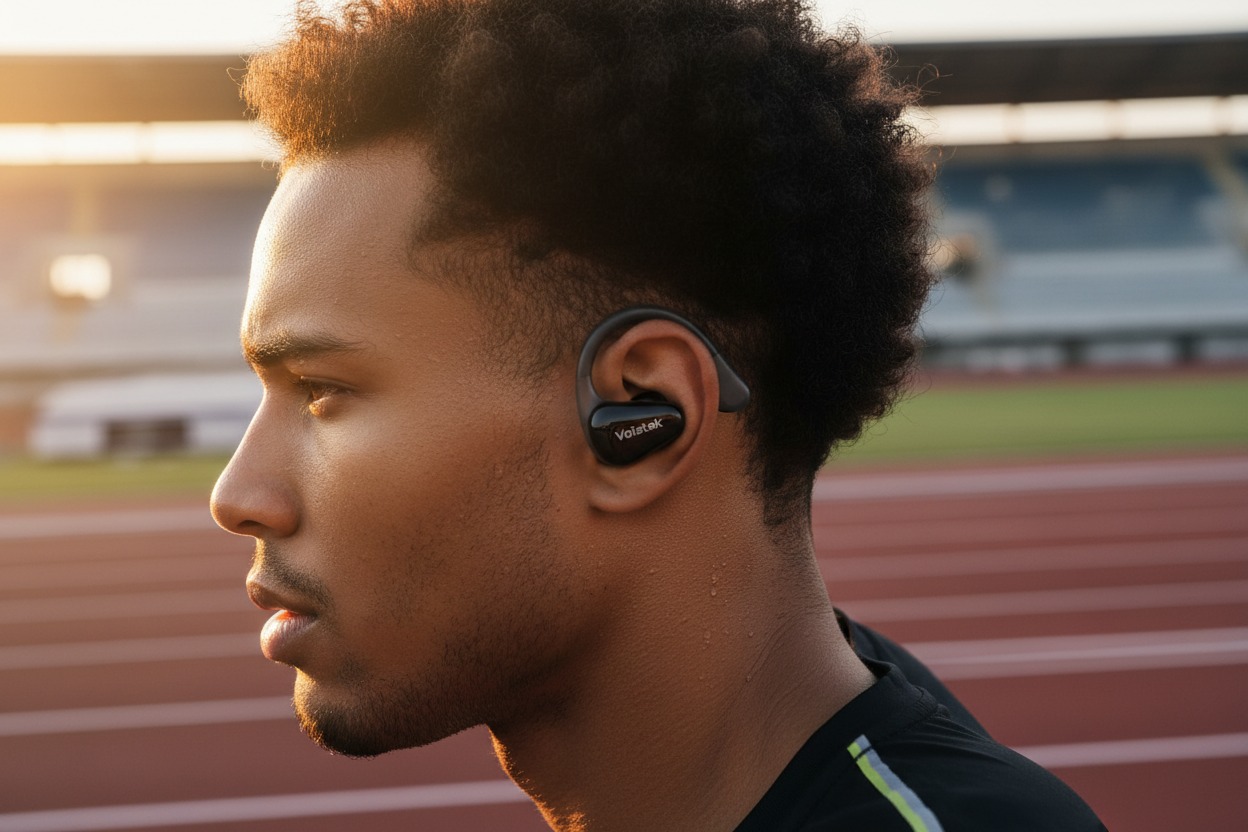

The best ear hooks for your earbuds are ergonomic accessories designed to provide a secure, stable, and comfortable fit, primarily for active use. Key selection criteria involve three pillars: Anatomical Design (Over-Ear Hooks vs. Ear Fins/Wings), Material Engineering (medical-grade silicone, memory wire, TPE), and Precise Compatibility with your specific earbud model (brand-specific vs. universal attachments). The optimal choice balances these factors to prevent earbud fallout, enhance noise isolation, improve audio fidelity, and ensure all-day comfort during activities like running, gym workouts, and cycling. Ultimately, the right ear hooks should become an imperceptible part of your wearable audio ecosystem.
Table of Contents
- 1 Solving the Universal Problem of Unstable Earbuds
- 2 Chapter 1: The Ergonomic Imperative – Why Ear Hooks Are Non-Negotiable for Active Users
- 3 Chapter 2: Anatomical Design – Mapping Hook Types to Your Ear and Activity
- 4 Chapter 3: Material Science – The Foundation of Comfort and Durability
- 5 Chapter 4: The Compatibility Matrix – Navigating Brand-Specific vs. Universal Solutions
- 6 Chapter 5: Advanced Selection: Matching Hooks to Your Sport & Lifestyle
- 7 Chapter 6: Installation, Maintenance, and Lifespan Optimization
- 8 Comprehensive FAQ: Targeting “People Also Ask” and Featured Snippets
- 8.1 Can I use ear hooks with glasses and hearing aids?
- 8.2 How do I know if I need ear hooks or just better ear tips?
- 8.3 Do ear hooks damage or void the warranty on my earbuds?
- 8.4 What are the top-rated aftermarket brands for universal ear hooks?
- 8.5 Is there a difference between hooks for wired vs. true wireless earbuds?
- 9 Engineering Your Perfect, Secure Fit
Solving the Universal Problem of Unstable Earbuds
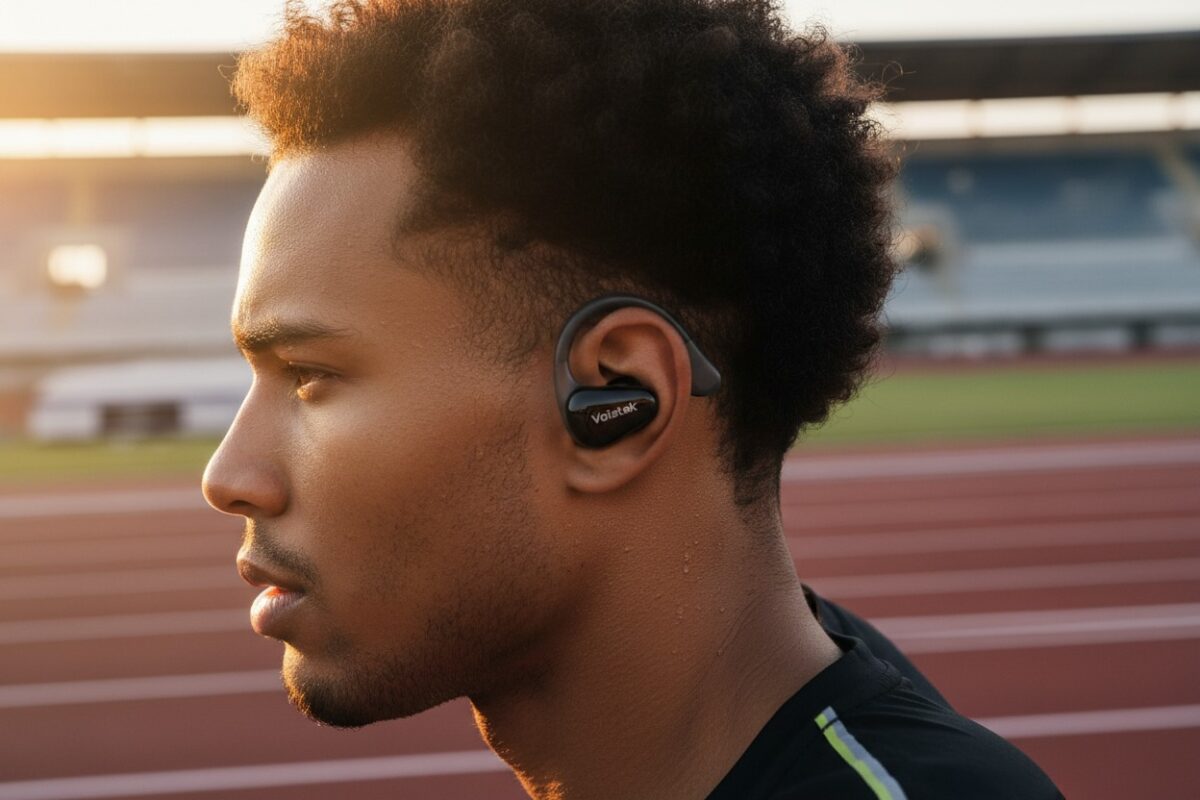
In the burgeoning market of personal audio, true wireless earbuds have revolutionized how we consume media, with over 216 million units shipped globally in 2023 (Statista, 2024). Yet, a persistent, widespread issue undermines this convenience: improper fit. For millions of users—athletes, commuters, professionals, and those with unique ear anatomy—the constant slippage, readjustment, and ultimate fear of losing a precious earbud is a daily frustration. This is not merely an inconvenience; it degrades audio quality, disrupts immersion, and limits the functional use cases of your device.
Enter the critical earbud accessory: ear hooks. Far from a generic gadget, a well-chosen pair of ear hooks is a biomechanical interface that transforms your audio experience. This ultimate guide delves beyond surface-level recommendations, providing a comprehensive, entity-rich framework for selecting the best ear hooks for your earbuds. We will explore the ergonomic science, material technology, and compatibility matrices that dictate performance, ensuring you make an informed decision that delivers maximum stability, comfort, and acoustic benefit.
Chapter 1: The Ergonomic Imperative – Why Ear Hooks Are Non-Negotiable for Active Users
Ear hooks (also semantically linked to ear fins, stabilizer wings, ear tips with wings, and over-ear stabilizers) serve one core purpose: to augment the natural retention mechanics of the human ear. The ear’s concha, antihelix, and helix are not standardized; they vary dramatically between individuals. Standard earbud tips rely primarily on friction within the ear canal, which is insufficient during dynamic movement.
The Triad of Benefits:
- Uncompromised Stability: The primary function. Hooks leverage the outer ear’s rigid structures, creating a counter-force that prevents rotation and ejection caused by jaw movement, sweat, or impact. This is essential for high-intensity interval training (HIIT), trail running, and contact sports.
- Enhanced Acoustic Performance: A stable earbud maintains a consistent seal. This improves passive noise isolation (blocking ambient sound by 15-25 dB on average) and ensures the speaker driver remains optimally aligned with the ear canal. The result? Richer bass, clearer mids, and preserved audio fidelity as the sound engineer intended.
- Long-Term Comfort and Safety: Reducing the need to repeatedly re-seat your earbuds minimizes ear canal irritation. More importantly, secure fit prevents costly losses and allows for situational awareness during outdoor activities, as you’re not distracted by adjusting your gear.
Chapter 2: Anatomical Design – Mapping Hook Types to Your Ear and Activity
The first major decision point is the physical design, which dictates how the accessory interacts with your auricular anatomy. This choice is directly tied to your primary use case.
1. Over-Ear Hooks (Helix-Anchored Design)
- Mechanism: A flexible hook, often with a memory wire core or rigid silicone, loops over the top of the ear’s helix and sometimes secures around the anti-tragus.
- Key Entities & Brands: This design is synonymous with sport-focused earbuds like the Powerbeats Pro, Jaybird Vista series, and JBL Endurance Peak. It’s the hallmark of maximum-security audio.
- Best For: Extreme sports, marathon running, competitive cycling, and heavy gym sessions (e.g., deadlifts, box jumps) where movement is violent and multidirectional.
- Trade-offs: Can interfere with eyewear temples (glasses, sunglasses) and certain helmet straps. May feel more conspicuous during all-day wear.
2. Ear Fins or Stabilizer Wings (Antihelix-Anchored Design)
- Mechanism: A pliable silicone or rubber “fin” extends from the earbud body to press gently against the antihelix (the inner ridge of the outer ear), creating a stabilizing lock.
- Key Entities & Brands: Popularized by Bose Sport Earbuds (StayHear Max tips), Jabra Elite Active series, and many Samsung Galaxy Buds Pro variants. Represents a low-profile stability approach.
- Best For: Moderate to high-intensity workouts (e.g., weightlifting, cardio machines, recreational running), active commuting, and all-day wear where discretion and comfort are prioritized alongside security.
- Trade-offs: May not provide enough anchor for all ear shapes during sprinting or jumping. Sizing (S, M, L) is critical for effectiveness.
3. Hybrid & Emerging Designs
The market is innovating with 360-degree rotatable hooks (for micro-adjusting angle) and modular systems that combine ear tips with detachable fins. Brands like Shokz (for open-ear audio) and 1MORE utilize unique shapes that distribute pressure across multiple contact points.
Chapter 3: Material Science – The Foundation of Comfort and Durability
The material composition of your ear hooks determines sweat resistance, skin comfort, tactile grip, and product lifespan. This is where entity relationships between material properties and user scenarios become clear.
| Material | Key Properties & Entities | Best For User Scenario | Durability & Care |
|---|---|---|---|
| Medical-Grade Silicone | Hypoallergenic, hydrophobic (sweat-resistant), high flexibility, easy to clean. | All users, especially those with sensitive skin or who engage in hot yoga, long-distance running. | High. Clean with mild soap/water. Avoid oils and alcohol. |
| Memory Wire (Ti-Ni Alloy) | Shape-retaining, moldable to custom fit, provides consistent clamping force. | Users seeking a personalized, locked-in fit for rugged outdoor activities. | Very High. Avoid over-bending to prevent coating cracks. |
| Thermoplastic Elastomer (TPE) | Cost-effective, good sweat and UV resistance, recyclable. | Budget-conscious consumers or casual users needing reliable universal ear hooks. | Moderate. Can degrade faster with exposure to extreme heat/sweat. |
| Memory Foam (on Tips) | Often paired with hooks; conforms to ear canal for superior seal and isolation. | Audiophiles and users in noisy environments (e.g., commuting, open offices). | Lower. Compresses over time; replace every 3-6 months. |
This is the most technical and crucial step. An improper attachment can render the best-designed hook useless.
A. Brand-Specific & Model-Specific Hooks
- Description: Designed by the Original Equipment Manufacturer (OEM) or licensed third parties to mechanically and aesthetically integrate with a specific earbud model.
- Advantages: Guaranteed fit, often uses proprietary attachment mechanisms (secure click-lock, aligned charging contacts), maintains aesthetic cohesion.
- Key Examples: Apple AirPods Pro (2nd gen) ear tips with flexibility; Beats Fit Pro secure-fit wingtips; Sony WF-SP800N included arc supporters.
- Actionable Insight: Always check the manufacturer’s accessory store first. Search “[Your Earbud Model] + official ear hooks.”
B. Universal Ear Hooks for Earbuds
- Description: Designed to fit a range of models, typically using silicone sleeves, adhesive pads, or adjustable clamps.
- Advantages: Cost-effective, available for discontinued models, offers experimentation.
- Critical Evaluation Criteria:
- Stem Diameter Range: Does it accommodate your earbud’s stem girth? (e.g., AirPods 3rd gen have a different stem than AirPods Pro).
- Attachment Security: Does it rely on friction, or does it have a locking collar or adhesive strip?
- Charging Case Compatibility: Can the earbuds with hooks attached still fit in the wireless charging case? This is a common pain point.
- Reputable Aftermarket Brands: Comply (foam + hook combos), EarBuddyz, AhaStyle, Snuggs – always filter reviews by your specific earbud model.
Chapter 5: Advanced Selection: Matching Hooks to Your Sport & Lifestyle
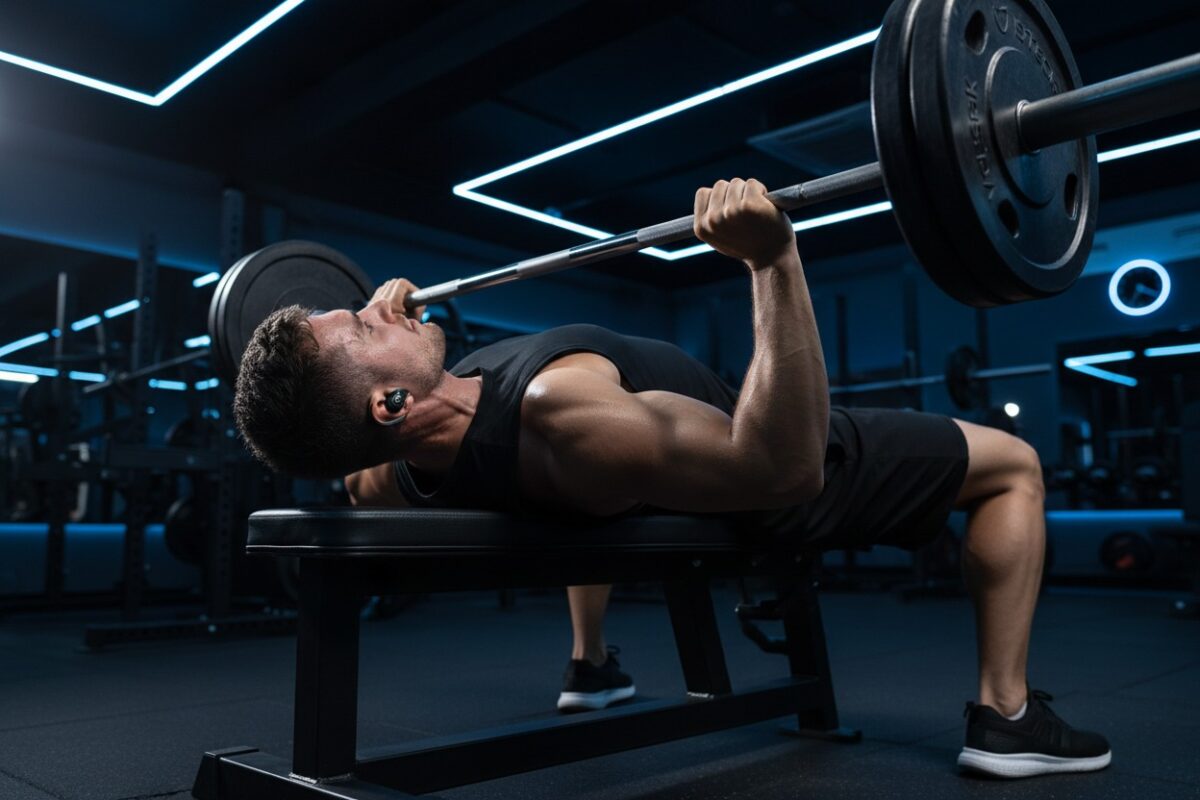
To satisfy user search intent fully, we map specific activities to optimal hook characteristics.
- Running & Trail Running: Prioritize lightweight silicone earfins or sweat-proof over-ear hooks. Look for IPX5+ rated accessories. Avoid heavy designs that cause “bounce” with each footfall.
- Strength Training & Gym Work: Focus on maximum anti-rotation security. Over-ear hooks with memory wire excel when moving from floor exercises to upright positions. Ensure they don’t interfere with head positioning on benches.
- Cycling & Triathlon: Balance security with helmet strap compatibility. Low-profile fins are often better. Consider hooks that aid in wind noise reduction by promoting a deep seal.
- Everyday & Office Wear: Comfort is king. Softer silicone fins or minimalist hooks designed for all-day wear are ideal. Focus on breathable materials to prevent moisture buildup.
Chapter 6: Installation, Maintenance, and Lifespan Optimization
Proper care extends the life of your hooks and protects your earbud investment.
- Installation Protocol: Clean your earbuds’ attachment points with a dry cloth. For sleeve-style hooks, gently roll the silicone back and slide it onto the stem, ensuring it’s seated fully against the earbud body. For clip-ons, follow the manufacturer’s locking instructions.
- Cleaning Regimen: After every sweaty use, wipe hooks with a lint-free cloth slightly dampened with water or a 70% isopropyl alcohol solution (avoiding direct contact with earbud drivers/mics). Dry thoroughly before storage.
- Storage Best Practices: Never store damp hooks in a sealed charging case, as this promotes mold and corrosion. Use a dedicated, ventilated accessory pouch.
- Periodic Inspection: Check for material fatigue—cracks in silicone, loss of elasticity, or loosening of attachment mechanisms. Most quality silicone hooks have a functional lifespan of 6-12 months with daily use.
Comprehensive FAQ: Targeting “People Also Ask” and Featured Snippets
Can I use ear hooks with glasses and hearing aids?
How do I know if I need ear hooks or just better ear tips?
Do ear hooks damage or void the warranty on my earbuds?
What are the top-rated aftermarket brands for universal ear hooks?
Comply: Industry leader for memory foam tips with integrated hooks, known for superior comfort and noise isolation.
EarBuddyz & SINEX: Dominate the Amazon Best Sellers list for universal fit, offering extensive compatibility charts and multi-pack sizes.
Decibullz: Offers a custom-moldable solution using thermoplastic that you shape in hot water for a truly personalized fit—the pinnacle of bespoke stability.
Is there a difference between hooks for wired vs. true wireless earbuds?
Engineering Your Perfect, Secure Fit
Selecting the best ear hooks for your earbuds is a deliberate process that synthesizes human anatomy, materials engineering, and device compatibility. It moves you from a passive consumer to an active optimizer of your personal audio experience.
Begin by defining your dominant activity profile—are you an endurance athlete or a focused professional? Next, diagnose your fit issue—is it rotation, ejection, or simply discomfort? Then, embark on the compatibility verification process, prioritizing OEM solutions before exploring the versatile world of universal ear hooks for earbuds.
The ultimate success metric is invisibility: the moment you forget your ear hooks are there because they hold your earbuds perfectly secure, all day, through every movement. That seamless integration is the hallmark of a perfect choice. Invest the time in research, consider trying a few reputable options, and unlock the full, stable potential of your audio gear. Your ears—and your earbuds—will thank you.
Ready to Experience Bulletproof Stability?
Voistek’s premium silicone ear hooks are engineered with the exact principles outlined in this guide—medical-grade materials, universal compatibility, and case-friendly design. Join 50,000+ athletes who’ve eliminated earbud slippage forever.