


The sound is unmistakable. A brittle crack, a sudden slackness on one side of your head. It’s the sound of your gaming headset giving up the ghost, often at the most inopportune moment imaginable. Maybe it was a final, furious adjustment after a heartbreaking loss. Perhaps it was just old age, the plastic finally fatigued from years of service. That specific heartbreak is a rite of passage. It leaves you in a familiar limbo: you need a new audio lifeline, but the prospect of full price feels like a penalty. You’re not just shopping; you’re initiating a tactical hunt. Your objective isn’t just any pair of cans. You’re searching for a legitimate gaming headsets sale to land one of the best gaming headsets without your bank account sending you a formal letter of protest. This isn’t about frugality for its own sake. It’s about intelligent allocation. It’s about upgrading your entire digital experience while your wallet remains, if not happy, then at least placated. Let’s talk about how to do that.
Table of Contents
- 1 Audio is Intelligence: The Unseen Advantage
- 2 Deciphering the Jargon: A Buyer’s Field Guide
- 3 The Marketplace: Identifying the Tribes on Sale
- 4 The Hunt: Timing and Terrain for the Best Deals
- 5 Frequently Asked Questions
- 5.1 What are the most important features to look for in a gaming headset on sale?
- 5.2 Where can I find the best deals on gaming headsets?
- 5.3 Are cheaper gaming headsets on sale still good quality?
- 5.4 How can I ensure I’m getting a genuine discount and not a misleading sale?
- 5.5 “Ready to Upgrade Your Audio Intelligence?”
Audio is Intelligence: The Unseen Advantage

For years, I subscribed to a common heresy. I believed sound was secondary. I used cheap earbuds or tinny monitor speakers. The game’s visuals did all the work, I thought. Then, I played a well-known horror title with a proper, closed-back headset. The experience wasn’t just different; it was transformative. I wasn’t just hearing noises; I was processing spatial data. The creak of a floorboard wasn’t a generic sound effect—it was a coordinate. The low, wet breath of something lurking wasn’t just atmosphere; it was a proximity alert. My old setup was giving me noise. The new one delivered actionable intelligence. This is the core truth a quality headset unlocks.
In competitive multiplayer, this intelligence is your lifeline. The difference between hearing footsteps and directional footsteps is the difference between a surprise death and a prepared ambush. You can map the battlefield with your ears. You hear the subtle shift of gravel to your far left, the distant clink of a armor plate being swapped straight ahead, the faintest rustle of a cloak directly behind you. The best gaming headsets are engineered for this clarity. They separate sounds into distinct layers, preventing the cacophony of battle from becoming a muddy soup. It’s the auditory equivalent of going from standard definition to 4K. You’re not just playing the game; you’re perceiving more of it.
For single-player adventures, the advantage shifts from tactical to emotional. A rich, wide soundstage pulls you into the world. It’s the difference between hearing a soundtrack and feeling it swell around you. The whisper of wind through a digital forest, the echoing drip of water in a cavern, the nuanced performance in a character’s voice—all of it is heightened. This immersion is the reason we play. It’s the escape. And let’s not forget the social contract. A clear, noise-cancelling microphone is a courtesy to your teammates. It ensures your brilliant callouts are heard, not the frantic percussion of your mechanical keyboard or the tragic crunch of your snack time. A good headset makes you a better teammate. It’s communication infrastructure.
Deciphering the Jargon: A Buyer’s Field Guide
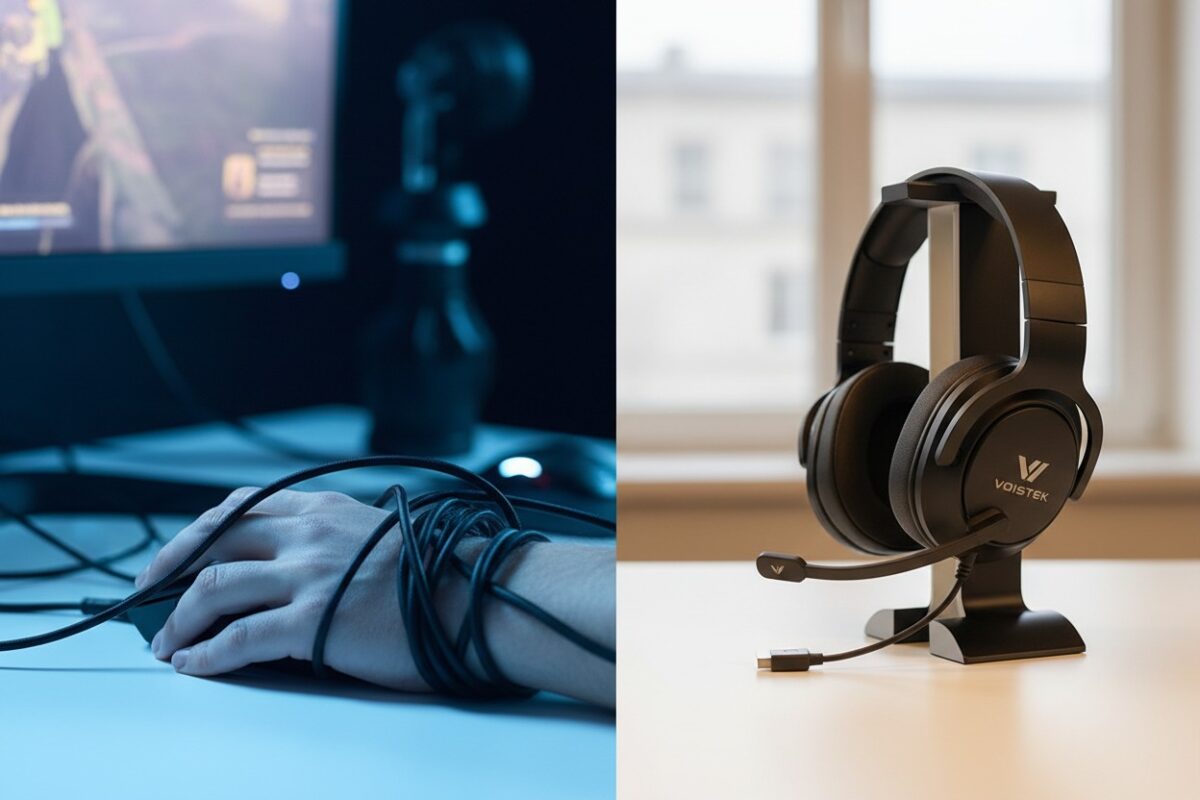
Navigating a gaming headsets sale can feel like reading a technical manual in a foreign language. The spec sheets are laden with acronyms and marketing superlatives. Let’s cut through that. Let’s talk about what these terms actually mean for your ears and your endurance.
First, the heart: the sound drivers. These are the tiny speakers inside each ear cup. You’ll see numbers like 40mm or 50mm. Generally, larger drivers can move more air, which often translates to more powerful bass response. But size isn’t the sole dictator of quality. The magnet material (neodymium is common and good), the voice coil, and the overall tuning matter immensely. A well-tuned 40mm driver can outperform a sloppy 50mm one. Think of it like a car engine: displacement is one thing, but the engineering of the whole system determines the ride.
Then, the perpetual debate: surround sound. You’ll encounter “True 7.1” and “Virtual 7.1” or “Dolby Atmos” and “DTS:X.” Here’s the straightforward take.
- True Surround Sound headsets have multiple physical drivers crammed into each ear cup—five or more tiny speakers trying to create directionality. In theory, it’s pure. In practice, it can be a mess. The drivers are so close together and so small that the audio staging can become confused and unnatural. It also adds weight and cost.
- Virtual Surround Sound is the modern sweet spot. It uses two high-quality drivers (one per ear) and sophisticated software algorithms to trick your brain. It digitally processes the audio to simulate sound coming from all around you. When implemented well—by solutions like Windows Sonic (free!), Dolby Atmos for Headphones, or DTS Sound Unbound—it is remarkably precise, clear, and immersive. For most gamers, a fantastic stereo headset with great virtual surround software is the ultimate goal. It’s lighter, often cheaper, and frequently sounds better.
The tether question: wired versus wireless. This is a lifestyle choice.
- Wired connections offer absolute, zero-latency fidelity. There is no digital conversion, no compression, no chance of interference. The sound is pure and instantaneous. You also never worry about a battery. The downside is, well, the wire. It snags, it limits your range, and if you’re prone to standing up abruptly mid-match, you risk launching your controller or keyboard. I’ve personally given my PC tower a minor heart attack this way.
- Wireless technology has improved dramatically. Look for headsets using a dedicated 2.4GHz USB dongle, not just Bluetooth. Bluetooth introduces noticeable lag for gaming. The 2.4GHz connection is near-instantaneous and rock-solid. The freedom is intoxicating. You can grab a drink, pace the room, or simply lean back without a cable tugging at your jaw. The trade-offs are price, weight (from the battery), and the ritual of charging. Forgetting to plug it in and having it die during a final boss fight is a uniquely 21st-century frustration.
Finally, the non-negotiable: comfort and build. A headset is a wearable. If it’s not comfortable, nothing else matters. You can have audio crafted by angels, but if the headband feels like a medieval torture device after an hour, it’s a failure. Prioritize these features:
- Clamping Force: It should feel secure, not oppressive.
- Ear Cup Material: Memory foam is king. Look for breathable fabrics or plush leatherette. Perforated fabrics can reduce heat buildup.
- Weight: Lighter is generally better for marathons. Anything under 300 grams is excellent.
- Build Materials: Plastic is fine, but inspect the hinges and sliders. These are the typical failure points. Metal reinforcement here is a very good sign.
The Marketplace: Identifying the Tribes on Sale
When you’re sifting through the discounts of a major gaming headsets sale, you’ll notice the products cluster into distinct tribes. Understanding these categories helps you match a deal to your personality.
Tribe One: The Refined All-Rounders. These are the consistent champions, the headsets that top “best gaming headsets” lists for a reason. Brands like SteelSeries (with their Arctis Nova line), HyperX (the Cloud series), and Audio-Technica’s gaming offerings live here. They are the embodiment of balance. Their sound signature is often neutral-to-slightly-warm, excellent for both gaming and music. Their microphones are famously clear—the “podcast-quality” mic on the HyperX Cloud Alpha is no joke. Comfort is their religion, with ski-goggle headbands and plush ear cups. They are not the flashiest, but they are deeply competent. Finding one of these on sale is a major win. It’s like getting a reliable, well-engineered sedan at a used-car price.
Tribe Two: The Ecosystem Powerhouses. Enter the realm of Corsair, Logitech, and Razer. These headsets are often feature-loaded. They glow with RGB lighting (synchronizable with your other gear from the same brand). They boast heavy, bass-forward tuning that makes explosions feel visceral. They are deeply integrated into proprietary software suites: iCUE, G Hub, Synapse. This software allows incredible customization—per-game audio profiles, intricate EQ adjustments, mic fine-tuning. The potential is vast. The downside? The software can be bloated. The bass can sometimes overwhelm finer details. And you might be paying a premium for those flashing lights. A gaming headsets sale on these models is your chance to get that ecosystem integration and theatrical flair at a more palatable point.
Tribe Three: The Audiophile Sleepers. This is my personal favorite category, a secret handshake among sound enthusiasts. Brands like Sennheiser, Beyerdynamic, AKG, and Philips produce headphones first, gaming peripherals second—if at all. They prioritize acoustic accuracy, soundstage width, and detail retrieval above all else. They often lack a built-in microphone, solving that with a $20 clip-on lavalier or a standalone USB mic. The result? For pure audio fidelity in games and music, they can demolish dedicated gaming headsets costing twice as much. The sound is clean, expansive, and nuanced. Because they aren’t always marketed to gamers, they can appear in surprising sales. Snagging a Sennheiser HD 560S or a Beyerdynamic DT 770 Pro on discount is like finding a legendary weapon in a starter zone. It feels like a cheat code.
The Hunt: Timing and Terrain for the Best Deals
Knowing what you want is half the battle. Knowing where and when to look is the other. The big holiday sales are the broad strokes, but the devil is in the details.
Yes, Black Friday and Cyber Monday are the grand spectacles. However, the digital marketplace has created a year-round cycle of opportunity. Amazon Prime Day (typically mid-summer) has become a major event for tech discounts. Back-to-School sales in late August often include peripherals. End-of-quarter or fiscal year sales (around June and December) can see retailers clearing inventory. Random flash sales pop up constantly.
But the truly savvy hunter looks beyond the front-page banner ads.
- Amazon Warehouse / “Open Box”: This is a treasure trove. A listing for “Used – Like New” or “Open Box” often means a customer returned an item for a trivial reason—wrong color, duplicate gift, slight box damage. The product itself is untouched. The savings can be 20-40%. I’ve purchased “used” headsets that arrived with the original plastic still on the ear cups. It’s the retail equivalent of thrift-store gold.
- Manufacturer Refurbished Stores: Companies like Corsair, SteelSeries, and Logitech run official refurbished outlets on eBay or their own websites. These products have been returned, tested, repaired if necessary, certified, and repackaged. They come with a warranty, often at 30-50% off retail. This is a fantastic way to access higher-tier models.
- Deal Alert Aggregators: Set up alerts on sites like Slickdeals, DealNews, or the buildapcsales subreddit. Use the specific model name you’re targeting as a keyword. The community is fast and will quickly vet whether a sale is truly good or a fake markdown.
The strategy is simple: research and identify two or three ideal models before a sale season. Then, wait and pounce when the price hits your target. This prevents impulsive decisions driven by a ticking clock.
Decision at the Crossroads: A Thought Experiment
Let’s make it concrete. Imagine it’s a major sale event. You have a budget of $100. Two deals catch your eye.
Deal A: The SteelSeries Arctis Nova 5, a wired all-rounder. It normally retails for $130. It’s on sale for $89.99. Reviews universally praise its comfort for long sessions and its crystal-clear mic. It’s a known quantity, a reliable workhorse.
Deal B: A Corsair wireless RGB headset, normally $180. It’s slashed to $99.99. It promises 36-hour battery life, immersive Dolby Atmos, and full RGB synchronization with your other Corsair gear. However, some user reviews mention the software can be finicky and the ear cups might get warm during extended use.
Which path do you take? If your priority is set-and-forget reliability, marathon comfort, and flawless communication, Deal A is your sanctuary. You’re buying peace of mind and proven performance. If you deeply value wireless freedom, are enamored with a unified RGB aesthetic, and don’t mind occasional software tinkering to unlock its full potential, Deal B represents enormous value. That’s a near-50% discount for premium features. There is no universally correct answer. There is only the answer that aligns with your personal gaming rituals and tolerances. This is the core of smart shopping during a gaming headsets sale.
A Brief Aside on Aesthetics (Or, the Tyranny of the “Gamer” Look)
We need to have an honest talk about style. The archetypal “gamer” headset is a beast: angular plastic, aggressive lines, and enough RGB to serve as a room’s primary light source. It looks like it should be mounted on a space marine’s helmet. And look, I enjoy a tasteful glow as much as anyone. It’s fun! But this aesthetic can sometimes be a Trojan horse.
Manufacturers can prioritize this aggressive look over acoustic design or ergonomics. The pursuit of a “bold” silhouette can lead to heavy, awkward shapes that create pressure points. Sound tuning might be skewed toward overwhelming bass to feel “powerful,” at the expense of vocal clarity or positional accuracy. Some of the best gaming headsets I’ve ever owned were, frankly, boring to look at. They were simple, matte black, and unassuming. They resembled high-grade office equipment. But they disappeared on my head for hours and delivered sound so crisp it felt like a new sense. It’s a classic RPG inventory choice: do you equip the dramatic, spiked pauldrons that give +2 to Intimidation but -5 to Endurance, or the simple, well-tailored armor that gives +10 to Comfort and doesn’t slow your roll? In the long campaign, comfort and function almost always win.
The Final Mile: Setup is Not Optional
Congratulations. You’ve navigated the sale, made your choice, and the box has arrived. Your work is not done. Plugging it in is the beginning, not the end. To truly honor your investment, you must configure.
First, explore your spatial sound software. If your headset supports a specific solution like Dolby Atmos for Headphones or DTS:X, install it and turn it on. It’s often a toggle in the Windows sound control panel. Try the free Windows Sonic first—it’s surprisingly good. Switch between them while in a game with a rich environment. Listen for the difference in width and directionality. Find your preference.
Second, tame the equalizer (EQ). Most gaming headsets ship with a “fun” V-shaped EQ: boosted bass and treble. It’s exciting initially but can cause listener fatigue. For competitive play, many pros use a more balanced or even a “smiley face” curve (slight bass/treble boost, mids dipped). For immersive single-player, a flat or neutral setting can reveal incredible detail. Don’t be afraid to experiment. A quick search for “EQ settings for [Your Headset]” will yield community-tuned starting points.
Third, master your microphone. A great mic can be ruined by poor settings. In Discord, Zoom, or your game’s voice chat, find the input settings. Set your input level (gain) so your normal speaking voice peaks around 75%. Enable noise suppression and echo cancellation. Consider a cheap foam windscreen—a “pop filter”—to minimize those harsh “P” and “B” sounds. Your friends will thank you. You will sound like a professional, not someone broadcasting from a hurricane.
The Signal in the Noise
So here we are. The landscape is mapped. The jargon is decoded. The tribes are identified. Your mission is no longer a blind scramble through every gaming headsets sale banner. It is a targeted reconnaissance. Define your parameters. Are you a tactical FPS operator where audio precision is your primary weapon? Are you an MMO raider who needs comfort for a twelve-hour session? Are you a narrative explorer who wants to be swallowed whole by a game’s world?
Set a firm budget. Bookmark the deal aggregators. Watch the refurbished outlets. When the model you’ve researched crosses that price threshold, act. Don’t hesitate. The best gaming headsets aren’t defined by their price tag. They are defined by how seamlessly they disappear, leaving only the experience. They are the conduit for victory, for wonder, for connection. They turn audio into insight, and noise into a world. Now, put on your headphones—your old, cracking ones—and listen for that next deal. It’s out there. And oh, if you do go wireless? Buy a second charging cable. Leave one permanently at your desk. You’re welcome.
Frequently Asked Questions
What are the most important features to look for in a gaming headset on sale?
Where can I find the best deals on gaming headsets?
Are cheaper gaming headsets on sale still good quality?
How can I ensure I’m getting a genuine discount and not a misleading sale?
“Ready to Upgrade Your Audio Intelligence?”
“Find Your Perfect Voistek Headset — Built for Gamers Who Refuse to Compromise”
After reading this guide, you know exactly what separates mediocre audio from game-changing sound. Voistek engineers headsets with that same obsessive attention to detail: crystal-clear directional audio, marathon comfort, and microphones your teammates will actually thank you for. Whether you’re hunting for wired reliability or wireless freedom, our lineup is designed for serious gamers with practical budgets.
👉 [Explore Voistek’s Gaming Headset Collection] — Find your edge. No gimmicks, just performance.

