
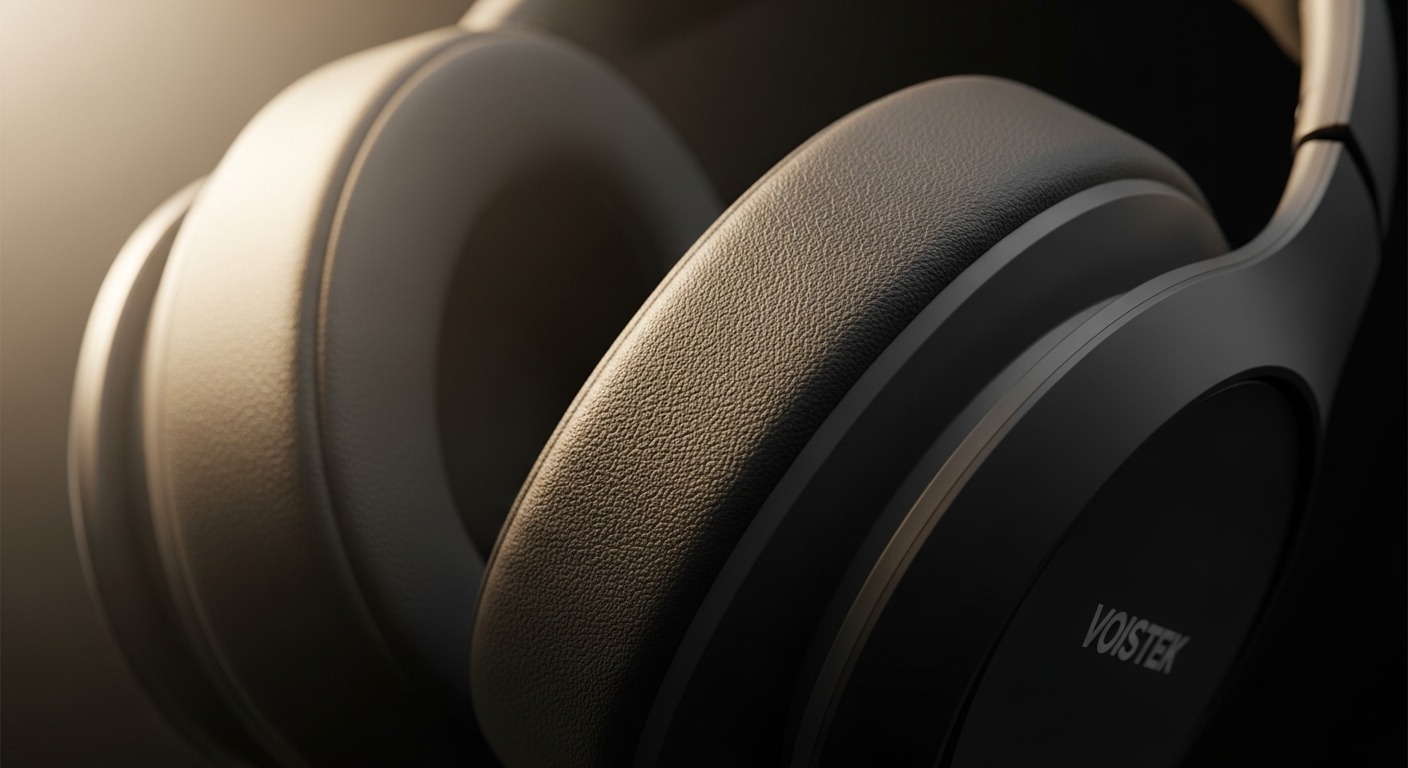

The most comfortable earphones for small ears are those designed with specific ergonomic principles, including multiple ear tip sizes (especially XS/S), memory foam materials, low-profile housings, and adjustable, plush headbands for over-ear models. Leading brands like Shokz with their open-ear designs, Anker Soundcore with extensive fit kits, and Bose with their low-clamp-force over-ear headphones consistently rank highest for petite anatomies, providing all-day comfort without compromising audio fidelity.
Understanding the Anatomical Challenge
For the millions of individuals with small ears or narrow ear canals, the search for comfortable earphones is more than a minor inconvenience—it’s a persistent challenge that impacts daily life. Standard, one-size-fits-all earbuds can lead to physical discomfort, constant slippage, and audio quality issues due to a poor seal. This comprehensive guide delves deep into the world of comfortable listening: earphones for small ears, moving beyond simple product lists to provide a foundational understanding of ergonomic design, key features, and actionable strategies for finding your perfect fit. We will explore the best in-ear, over-ear, and innovative open-ear options, ensuring you can make an informed, comfortable choice.
The Ergonomic Landscape: Why Small Ears Need Specialized Design
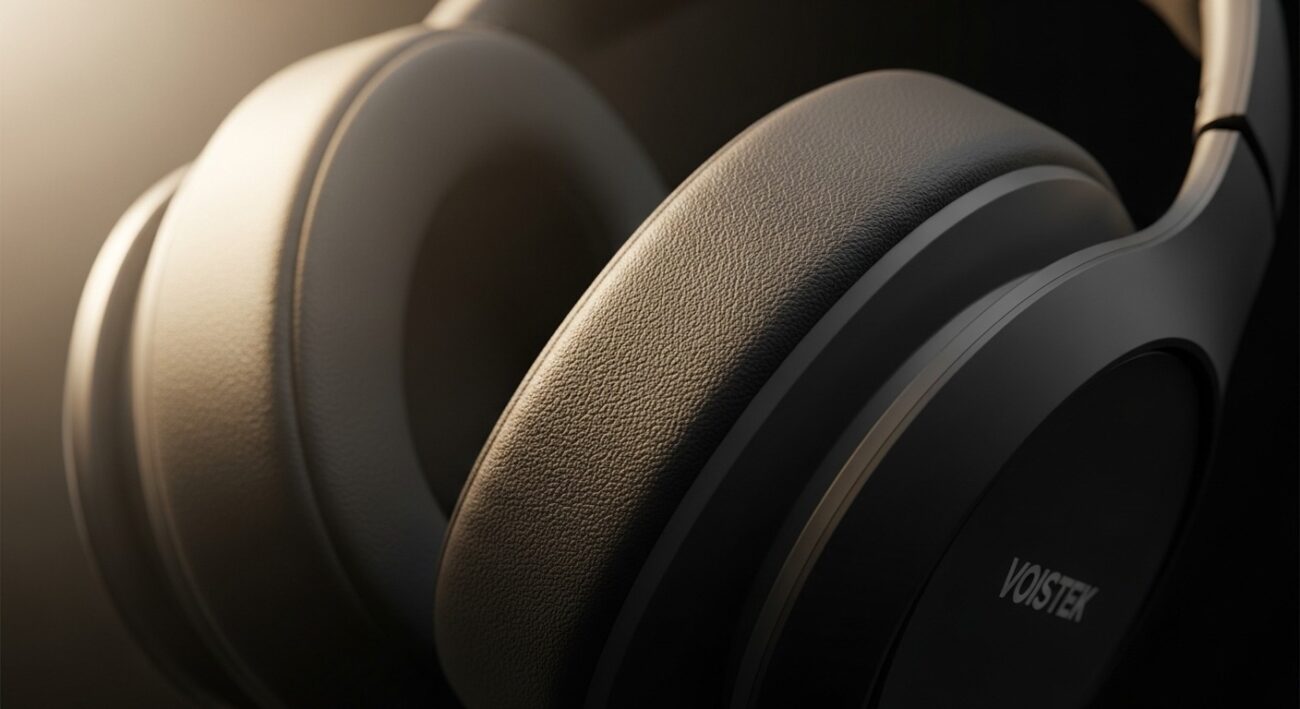
The human ear’s anatomy is complex and highly variable. For those with petite ears, three primary areas are often points of discomfort with ill-fitting audio equipment:
- The Concha: This is the bowl-shaped depression of the outer ear. Earbuds with overly large housings press painfully against the anti-helix ridge, causing soreness within minutes.
- The Tragus and Anti-Tragus: These small cartilage protrusions at the front and rear of the ear canal can be irritated by the main body of bulky in-ear monitors (IEMs).
- The Ear Canal Itself: This is the most common pain point. Standard silicone tips often fail to create an acoustic seal, leading to weak bass and sound leakage, or they press too firmly against the sensitive canal walls, causing fatigue.
Understanding this anatomy is the first step in identifying the most comfortable earphones for small ears. The solution lies not in a single brand, but in a set of design philosophies that prioritize anatomical diversity.
Critical Features for Maximum Comfort and Fit
When evaluating the best earphones for small ears, certain non-negotiable features separate the contenders from the pretenders. Prioritizing these elements will dramatically increase your success rate.
1. Comprehensive Ear Tip Systems
The ear tip is the critical interface between the device and your body. A superior fit kit is paramount.
- Size Inclusivity: Look for brands that provide S, M, and L tips and include XS (Extra Small) or SS (Super Small) sizes. This is the clearest indicator that a brand has considered smaller ear canals.
- Material Innovation:
- Memory Foam Tips: Brands like Comply are industry leaders in this space. Memory foam compresses upon insertion and slowly expands to fill the unique contours of your ear canal, providing a custom-like seal that enhances both comfort and passive noise isolation.
- Hybrid Silicone Tips: Some brands, like SpinFit, use specialized medical-grade silicone that remains soft and flexible, often with a pivoting core that allows the tip to angle naturally within the canal.
- Shape Diversity: Beyond round tips, some companies offer oval or triangular tips, which can better conform to non-circular ear canal openings.
2. Low-Profile and Lightweight Housing
The physical body of the earbud itself must be designed with ergonomics in mind. The best earphones for small ears often feature a compact, low-profile housing that sits flush or semi-flush within the concha. This minimizes contact with the tragus and anti-tragus, eliminating pressure points that lead to pain during extended listening sessions.
3. Integrated Secure-Fit Technologies
Comfort is intrinsically linked to stability. An earbud that feels secure is one you don’t have to constantly readjust.
- Ear Fins & Wings: Flexible silicone fins (e.g., Jabra, JLab) tuck into the anti-helix of the ear, providing a gym-ready, secure fit that prevents rotation or falling out.
- Stabilizer Arcs: Over-ear hooks (e.g., Beats Powerbeats Pro, Bose Sport Earbuds) loop over the top of the ear, distributing weight and ensuring stability during vigorous movement.
4. Adjustable Headbands and Plush Earcups (For Over-Ear Models)
The search for the best over ear headphones for small ears shifts the focus from the canal to the cranial structure.
- Headband Design: An adjustable, well-padded headband with fine-tuned click stops is essential. It should exert minimal “clamping force” to avoid creating a “vice-like” sensation on the head.
- Earcup Geometry: Deep, plush earcups lined with breathable materials like velour or protein leather are vital. They must fully envelop the pinna (the outer ear) without pressing it against the side of the skull. Swiveling earcups are a key feature, as they self-align to create a uniform seal and distribute pressure evenly.
Top-Tier Recommendations: Brands and Models That Deliver
Based on the ergonomic principles above, here are specific brands and models celebrated for their fit for small ears.
Category 1: In-Ear Earphones & Earbuds
- Shokz OpenFit: A paradigm shift in comfortable listening. As open-ear headphones, they completely bypass the ear canal. A flexible, gel-filled ear hook rests gently behind the ear, while a speaker pod directs sound into the ear without insertion. This makes them arguably the most comfortable earphones for small ears for all-day wear, eliminating intra-aural pressure and allowing for full environmental awareness.
- Anker Soundcore Liberty 4 NC: Anker’s Soundcore line has built a reputation on value and exceptional fit. This model includes a comprehensive fit kit with four silicone tip sizes, including an “X-Small” option. Its bean-shaped, ergonomic housing is designed to nestle securely within the concha without protruding.
- Samsung Galaxy Buds2 Pro: Samsung has invested heavily in ergonomic research. The Buds2 Pro feature a remarkably compact and lightweight design, weighing only 5.5 grams per bud. They are consistently praised for their comfortable, secure fit in smaller ears, coupled with high-end audio features like 24-bit Hi-Fi sound.
- 1MORE PistonBuds Pro Q30: A budget-friendly standout, 1MORE includes four pairs of silicone ear tips, with the smallest size being genuinely effective for narrow canals. The low-profile, stem-style design is non-obtrusive and ideal for side-sleepers or those who wear hats.
Category 2: On-Ear and Over-Ear Headphones
- Bose QuietComfort Ultra Headphones: Bose is synonymous with acoustic comfort. The QuietComfort Ultra line continues this legacy with a luxurious, low-tension headband and deep, plush earcups filled with synthetic leather and soft foam. Their combination of minimal clamping force and immersive noise cancellation makes them a top-tier choice for the best over ear headphones for small ears.
- Audio-Technica ATH-M50xSTS StreamSet: While the classic M50x is an audio industry standard, the STS version is optimized for content creators. It features the same pro-grade sound but with a boom microphone and, crucially, generously padded, swiveling earcups that accommodate a wide range of head and ear sizes comfortably for long streaming sessions.
- Apple AirPods Max: For users deep in the Apple ecosystem, the AirPods Max offer a premium, albeit heavy, option. Their genius lies in the breathable knit-mesh headband, which distributes weight across the head, and the deep, magnetic earcups that create a consistent seal without excessive pressure on the ears themselves.
The Pinnacle of Personalization: Custom-Molded In-Ear Monitors
For the ultimate solution in comfort, performance, and noise isolation, custom-molded in-ear monitors (CIEMs) represent the endgame. This process involves an audiologist taking a physical impression of your ear canals using a safe silicone material. These impressions are sent to a manufacturer like Ultimate Ears or 64 Audio, who create earbuds that are a perfect 1:1 replica of your unique anatomy.
The Benefits:
- Flawless Comfort: A perfect seal with zero pressure points.
- Superior Isolation: Up to 26 dB of passive noise reduction, protecting your hearing in loud environments.
- Unmatched Audio Fidelity: A consistent acoustic pathway ensures the sound the engineer intended.
While this is a significant investment (often starting at $400+), it is the definitive answer for musicians, audio engineers, and discerning listeners with small ears.
Actionable User Tips: How to Achieve the Perfect Fit
Even the best earphones can be made more comfortable with proper technique.
- The “Pull-Up” Method: After inserting an earbud, gently pull the top of your ear upward and outward. This straightens the ear canal, allowing you to seat the tip more deeply and achieve a superior seal.
- Conduct a “Seal Test”: Play a track with consistent, deep bass. Gently press the earbud into your ear. If the bass becomes noticeably fuller and richer, your current tip is not creating an optimal seal. Try a larger size or a different material.
- Rotate for Lock-In: Some earbuds are designed to be rotated forward or backward slightly once inserted to lock into the concha’s natural shape. Consult your user manual for specific guidance.
Frequently Asked Questions (FAQs)
Are there specific earphones designed for children or women with smaller ears?
What are the best wireless earbuds for small ears that are secure enough for sports and running?
I simply cannot get comfortable with in-ear tips. What are my best alternatives?
Open-Ear Headphones: Brands like Shokz (using bone conduction and direct sound) do not enter the ear at all, providing total comfort and situational awareness.
Universal Fit Earbuds: Models like the Apple AirPods (3rd generation) and the Bose QuietComfort Ultra Earbuds (in their “Relax” mode) offer a less intrusive fit that rests at the entrance of the ear canal without a tight seal.
Can I upgrade the comfort of my current earphones with third-party tips?
Comply Memory Foam Tips: Available for dozens of popular models, they offer a custom-like seal and enhanced noise isolation.
SpinFit CP100+/CP1025: These silicone tips are famous for their flexible, pivoting design that improves the insertion angle and comfort for small ear canals.
How can I assess the clamping force of over-ear headphones before buying them online?
Your Path to Pain-Free Audio
Finding the perfect pair of earphones for small ears is a journey of prioritizing ergonomics over aesthetics or brand hype. The key takeaways are to seek out extensive ear tip kits (especially those with XS sizes), prioritize lightweight, low-profile housings, and for over-ear models, focus on adjustable headbands with deep earcups. Whether you choose the innovative open-ear design of Shokz, the value-packed ergonomics of Anker Soundcore, or the cloud-like comfort of Bose over-ear headphones, a comfortable, high-fidelity listening experience is within reach. By applying the knowledge from this guide, you can finally end the cycle of discomfort and enjoy your audio content exactly as it was meant to be heard.
“Finally, Earphones Engineered for Your Ear Size”
Voistek SmallFit Series includes everything this guide recommends: XS/S/M/L silicone tips, premium memory foam options, and ultra-lightweight 4.2g housings designed specifically for petite ear anatomies.
60-day comfort guarantee: If they’re not the most comfortable earphones you’ve ever worn, return them free—no questions asked.